



 News
News
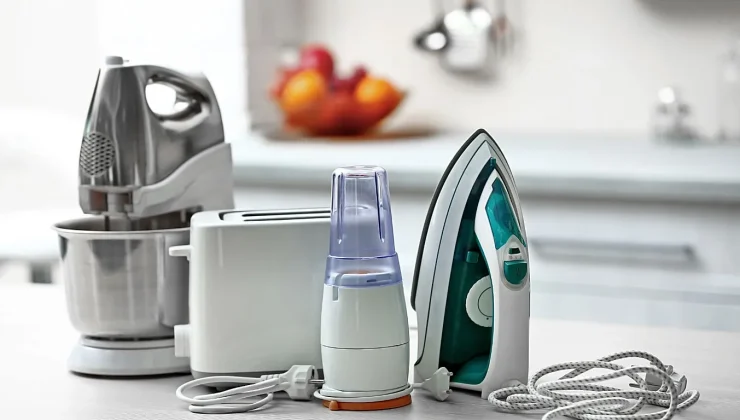
Eurostat estimates that consumer goods thrown away prematurely generate close to 35 million tonnes of waste annually across the EU. Although most discard their devices when broken, a Eurobarometer survey showed that 77 percent of Europeans would prefer repairing their appliances to replacing them. But professional repair services are often expensive, and parts are made inaccessible by the companies that provide them.
The EU wants to stop this cycle of premature replacements through the Right to Repair Directive and an accompanying set of Ecodesign regulations.
Amongst other things, the new laws ask manufacturers to design appliances with standard screws instead of glue, so that consumers can easily dismantle them with basic tools. The law also bans the software locks used by some companies to block independent technicians.
Companies will have to supply repairs, affordable parts, and repair manuals for up to 10 years, even after the warranty expires. They have to ensure post-warranty repairs and provide an automatic 12-month warranty extension for appliances repaired during their initial coverage period. If a repair takes too long, consumers will be entitled to a temporary loaner device.
Would you be more likely to fix a fridge or vacuum cleaner if repair costs were lower than replacing it? Is the process strict enough? Our poll is anonymous and takes only a few seconds to complete. The results will be featured across XL’s EU-wide coverage, including videos, articles and newsletters, and will help shape our reporting as we examine how Europe can secure its position in the age of artificial intelligence.